DOES THIS SOUND FAMILIAR?
You got the six-week clearance, tried to run, and it didn't go well. You've done a program. Maybe seen a physio. Maybe both. Maybe it helped a little — maybe it didn't move the needle at all.

Maybe you're in perimenopause. The kids are older, you finally have time for yourself — and pelvic floor symptoms are the one thing standing between you and the version of yourself you've been meaning to get back to.

You've been told to wait longer, squeeze harder, or just accept that this is your new normal. You've been patient. You've done the work. And you're still not running — or running with workarounds that don't feel like a solution.
This isn't a generic pelvic floor program that happens to mention running.
Two women can walk in with the same symptoms for completely different reasons. Same leak. Different story.
A program that treats leaking — or prolapse, or pelvic girdle pain — as one problem with one fix misses a lot of women. Probably already has.
That's not a you problem. That's a program problem.
Run Strong Again is built around three symptom pathways, so you get a plan that addresses the cause, not just the complaint. Choose the path that matches what’s actually going on in your body.
More women than ever are selling return-to-run programs right now. Harder to find: someone who’s spent 25+ years treating women runners with pelvic floor issues, keeps up with the research, runs herself — and has navigated this through pregnancy, postpartum, and perimenopause. That list is short. This program is on it.
Which path is yours?
Run Strong Again is built around three symptom pathways. Think of it as choosing your own adventure — based on what’s actually going on in your body right now.
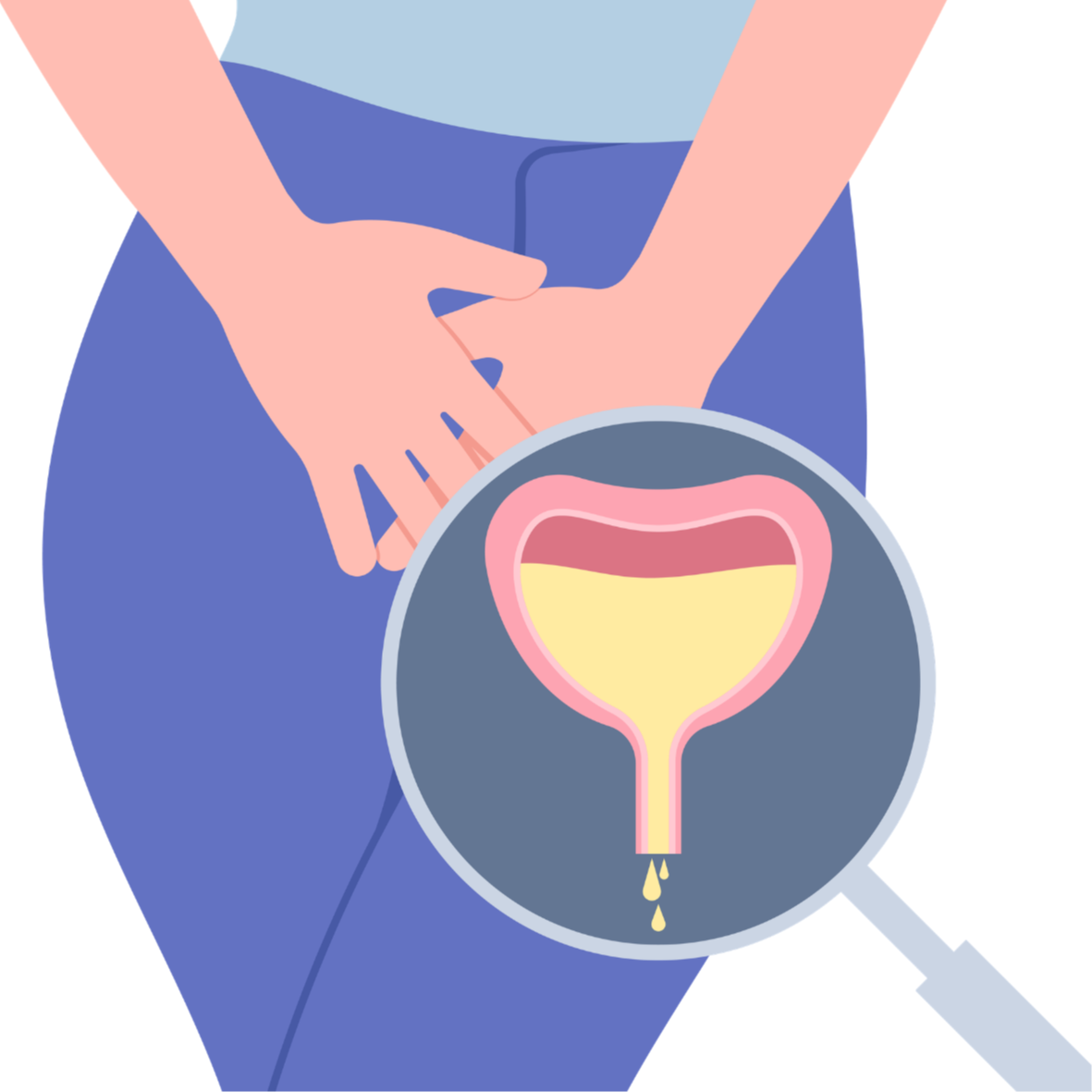
The leaking path → Stress urinary incontinence
Leaking with impact — running, jumping, sneezing, coughing, or just pushing hard. Maybe drops, maybe enough to need a pad. Maybe it’s been happening so long you’ve started pre-planning your bathroom stops and wearing black shorts just in case.
This is one of the most common reasons women stop running — and one of the most addressable. Leaking during running is not your body failing you. For a lot of women, it comes down to load management — and load management is something we can work on.
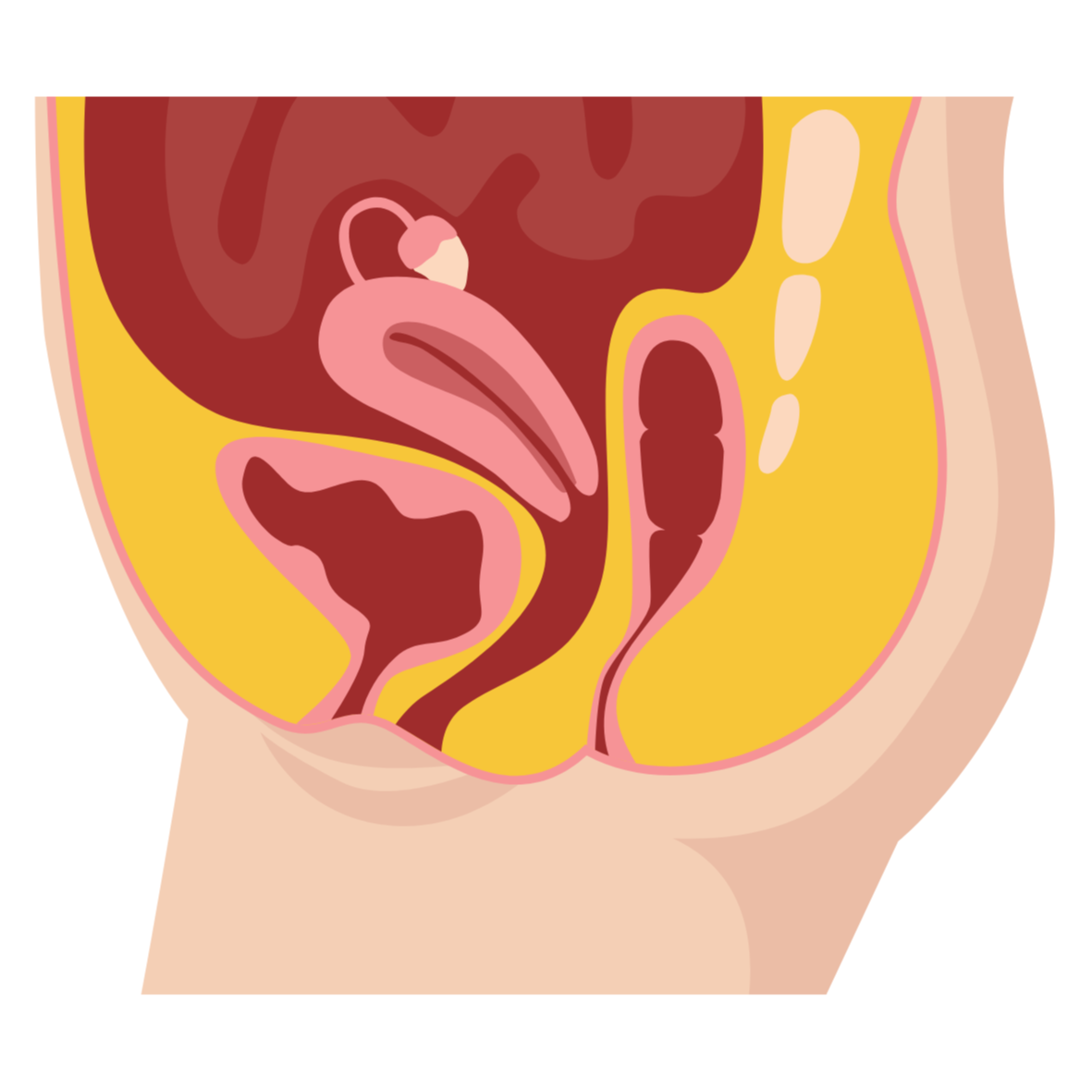
The prolapse path → Pelvic organ prolapse
Heaviness, pressure, or that “something’s not right” sensation — especially after activity, later in the day, or when you push harder. Maybe you’ve had a diagnosis. Maybe you just know something feels different than it used to.
A prolapse diagnosis is not a life sentence of low impact forever. The research is increasingly clear that progressive loading — done well — is part of the solution, not the problem. The prolapse path is designed to build load tolerance without making symptoms worse.
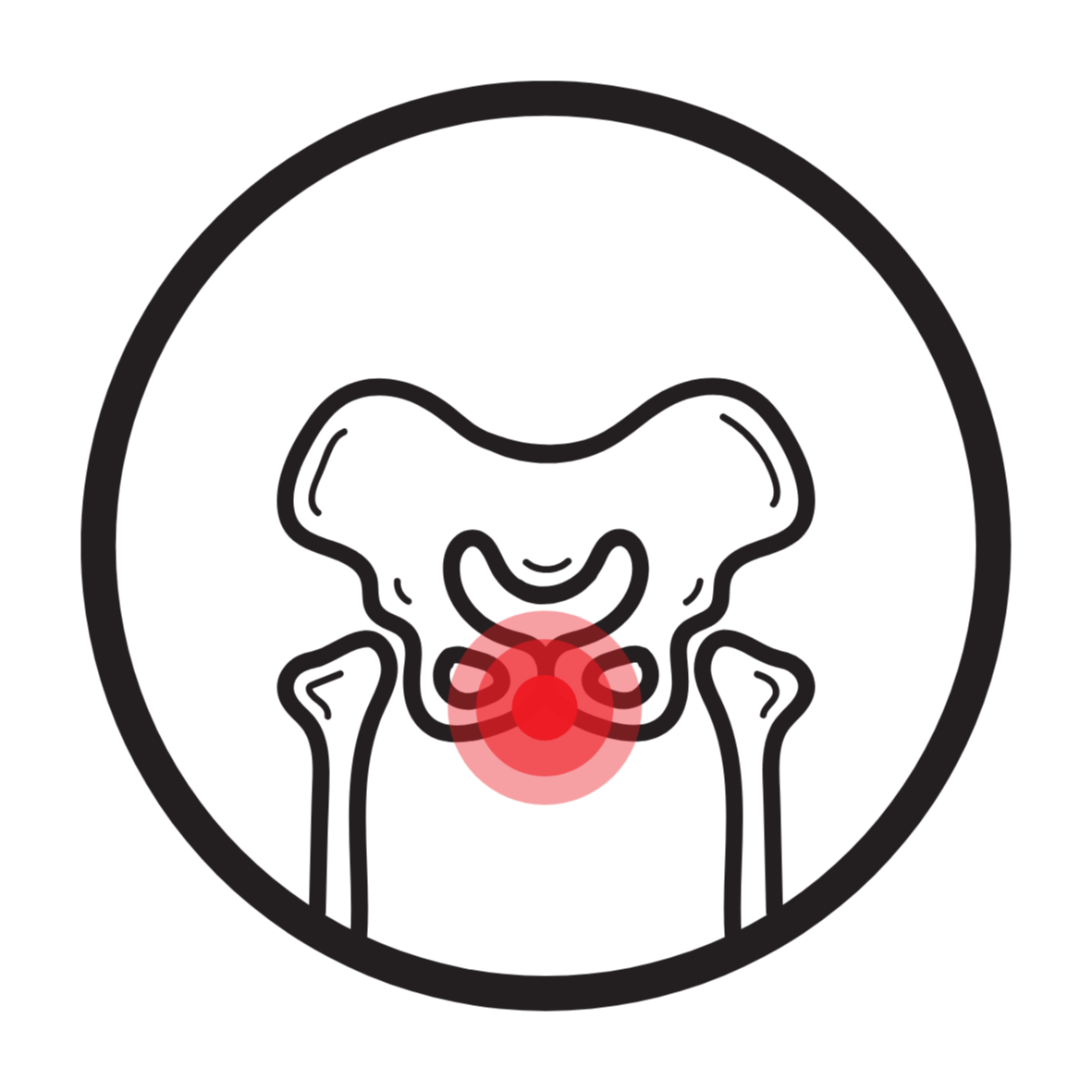
The pain path → Pelvic girdle pain
Back, hip, pelvis, pubic bone, groin — sometimes all of them. Pain that flares right when you try to ramp back up. Pain that makes every training block feel like one step forward, two steps back.
With pelvic girdle pain, waiting it out usually isn't the answer. Pain like this is rarely one simple thing — but for many runners, building the capacity to handle single-leg load is a big part of turning it around. That's what the PGP pathway is built to do.
Dealing with more than one? Choose the path that's bothering you most right now. You can revisit the others if or when you need to.
If any of that sounds familiar and you're tired of the DIY...
LET'S DO THIS!INSIDE THE PROGRAM PHASES
Four phases. Your pace. One program.
Everyone moves through the same four phases — all three pathways, same structure. Not based on how many weeks postpartum you are. Based on what your body is actually ready for. No arbitrary timelines. No “you should be running by week six.” Just a logical, progressive build from where YOU are to where YOU want to be.
Phase 1 — Laying the Groundwork
-
Coordination, breath, and pelvic floor foundations. Learning to move well before loading. This isn't basic — it's the foundation everything else depends on.
Phase 2 — Building Your Base
-
Progressive strength and controlled load based on your symptoms. Building the pelvic floor and lower extremity capacity that running demands.
Phase 3 — Building Momentum
-
Dynamic strength, stability — and this is where running starts. Walk/run intervals begin here, with your symptoms as the guide.
Phase 4 — Run Strong
-
Higher load, progressive impact, continuous running. This is where the work pays off — and where you get your running life back.
The strength work AND the run progression are built into the same program. You’re not piecing together a PT exercise routine and a Couch to 5K and hoping they work together.
It’s one integrated plan, built specifically for women with these symptoms.
What You’ll Actually Get
(ahem, beyond Kegels)
By the end, you’ll have:
-
A clear understanding of WHY you have symptoms — and why squeezing harder isn't the whole answer.
-
A pathway built around your specific symptoms — not a generic plan that assumes everyone is the same.
-
A phase-by-phase progression that takes you from foundation to running again, at your pace, with your body as the guide.
-
The ability to use your symptoms as information — not a reason to stop.
-
Confidence that what you're doing is grounded in the current evidence, not recycled advice from ten years ago.
Imagine being the person who runs again — not because someone gave you permission on a timeline, but because you built the capacity to do it.
Why this program is built differently.
Most return-to-run programs are built on one of a few assumptions:
That leaking or prolapse symptoms mean your pelvic floor is weak — so the fix is strengthening.
That if you have pelvic girdle pain, rest is best. (Not even close)
That running is the problem — so the fix is waiting until you're "ready."
The current research doesn't support any of those assumptions.
Here's what it actually shows:
- Right after a run, every runner’s pelvic floor shifts a little — then recovers. Leaking, heaviness or not, it happens to everyone. So leaking or heaviness aren't a sign of a weak pelvic floor. It’s about how the whole system handles load.
- Pelvic floor strength isn’t the missing piece. In fact, many women who leak can squeeze harder than women who don’t.
- Your pelvic floor is the mom of the body. When your ankles, knees, and hips don't absorb impact like they could, the work can get passed up to the pelvic floor — and she says "fine, I'll do it," whether she's got the capacity or not. That's why the strength work here intentionally targets your hips, legs, balance, and impact capacity on purpose — so the whole system carries its share instead of leaving it all to the pelvic floor.
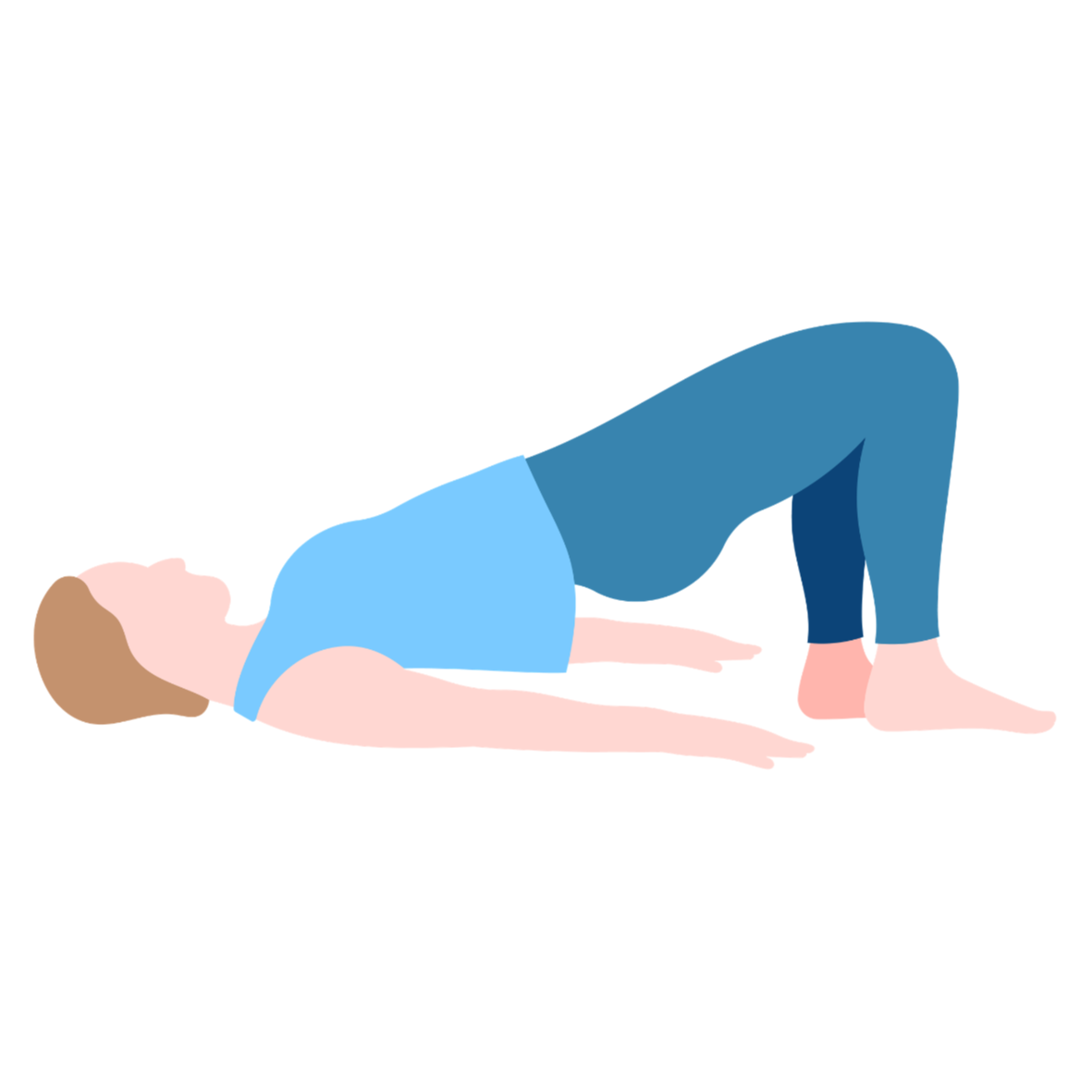
- Some activities load your pelvic floor more than you’d guess — a few “easy” ones outrank running. The phases build impact in the right order, on purpose. Nothing’s random. (Building capacity for pelvic stability is more than just bridges too!)
- How you run can change the load too — your cadence, your landing, your form. The running cues here are matched to your pathway, not lifted from a generic plan.

Run Strong Again is built on this research — plus 25+ years of clinical practice applying it with real runners and real women. And because this field is actively evolving, every future update to the program is included in your purchase. Free. Forever.
This is what evidence-informed practice looks like when it's actually applied — not just claimed.
Who This is For
Run Strong Again is for you if:
- You’re postpartum — recently or not so recently — and running hasn’t felt right since.
- You’re in perimenopause and noticing that your body handles impact differently than it used to. Because walking and swimming just aren’t the same. IYKYK.
- You’ve done a program, seen a physio, tried to do all the right things — and maybe it helped a little, maybe it didn’t.
- You want to train. You want to run. You’re just not sure how to get there without making things worse.
- You’re tired of being told your body is broken, or that the only answer is more time.
- You want advice from an expert clinician who’s a runner, who’s navigated this herself, and who’s been treating runners and moms for 25+ years — not someone selling a generic checklist and based on their n = 1 experience.
The symptom trouble-shooting, strength work and run progression are built into the same program. No extras. No 'finish this first, then buy that.'
One place, one plan, one payment.
I'M READY. LET'S DO THIS.Evidence-Informed. Not Just Claimed.
This program is the intentional evolution of The Real Moms' Guide to Postpartum Return to Run, which I launched in 2020 and retired in 2024. Not because it wasn't good — but because the research moved, I moved, and women deserve a program that moves with it.
In the years between, I navigated my own head-first dive into perimenopause. I discovered that postpartum and perimenopause have more in common than most people realize — both are low-estrogen states, and both require a return-to-run approach that accounts for the full hormonal and structural picture.
And I spent those years in the research — talking with the people writing the papers (catch them on the Active Mom Podcast), applying it in clinic, and figuring out how to translate it for the woman who just wants to run again without leaking.
Here's the truth: no one else is talking about the pelvic floor this way. Not just as an isolated muscle group, but as part of a load management system that spans pregnancy, postpartum, and perimenopause. Not just with kegels, but with the whole kinetic chain. Not just with timelines, but with the capacity-based evidence that actually explains why timelines are the wrong lens.
We may not have all the answers yet. But we can be evidence-informed, honest about what we don't know, and rigorous about applying what we do. That's what this program is built on.
And when the evidence moves — because it will — this program moves with it. Every update, every revision, every addition: included in your purchase, free, forever. That's not a marketing line. It's a commitment.
YOU'VE done everything right — listened to every expert, tried to piece it together yourself — and you still can't run without leaking, pressure, or pain. Willpower was never what was missing.
A plan built just for you is. That's Run Strong Again.
A Little About Me
(and Why You Can Trust Me With Your Running)
I’m Dr. Carrie Pagliano — physical therapist, runner since 7th grade, mom of two, CrossFit and weightlifter for the past decade, and someone who has spent 25+ years in the pelvic health and orthopedic trenches treating runners and moms.
I’ve navigated this personally — running through pregnancy (and stopping when I didn’t want to), returning to running after three pregnancies and two deliveries, and now diving head first into perimenopause and figuring out what that means. I also host the Active Mom Podcast, where I talk regularly with the researchers actually writing the papers that inform this program.
But this isn’t just a “I did it, so you can too” story. Run Strong Again is built on current research and daily clinical problem-solving with real patients — the easy cases and the complex ones. I know where the evidence is solid, I know where we’re extrapolating, and I’ll tell you which is which. If this program isn’t the right fit for what you’re dealing with, I’ll be the first to say so.
Let’s Do This
FOUNDING MEMBERS: About this first group.
This is the first time Run Strong Again has opened, and the group is small on purpose.
If you're in it, you get a live call with me.
Tuesday, August 26 · 7:00pm EST
Two things happen on it. First, I walk you through the program — how it's built, how to move through it, what the checkpoints are actually asking of you, and the mistakes I watch people make. Then I answer your questions. Real ones, out loud, with the specifics.
You can send questions ahead of time if you'd rather not ask live — and I'd encourage it, because it means I can actually prepare. The call is recorded, so if you're putting a kid to bed at 7pm, you're not missing it.
This is for founding members only. I may run calls for future groups. I'm not promising it, and I'm not scheduling it. What I know is that this group gets one.
The founding window closes August 19.
$147. The call. And every phase as it rolls out, at no extra cost, forever.
JOIN THE FOUNDING GROUPTHIS WORK ISN'T NEW.
(Swipe through...)

“I have a prolapse and I'd been told to just avoid running, lifting and impact forever. This was the first thing that didn't treat that like a life sentence. I won't oversell it — my symptoms aren't 100% gone. But I know exactly what sets the pressure off and what calms it down, I'm stronger than I've been in years, and I'm making decisions about my body instead of just being scared of it.”
— 2 years postpartum with prolapse, from virtual programming with Dr. Carrie

“I came into new mom life thinking kegels were my only option. I didn't even understand why I was leaking — just that I was, and that it was wrecking my runs. The breath strategies clicked almost right away. The first time I finished a run without leaking, I actually teared up. For the first time since having my daughter, I know what's happening in my body and what to do about it.”
— 7 months postpartum, from virtual programming with Dr. Carrie

“What sold me was that it didn't hand me a rigid week-by-week plan that assumed my life looked like everyone else's. The screenings showed me exactly where I was and when I was ready for more. I built my return-to-run around nap times and work, and it actually fit. No guilt, no judgment — just a plan I could follow on the days I had one.”
— mom of two, 14 months postpartum, from virtual programming with Dr. Carrie

“I was already running, but slow, wobbly, and sore in the front of my pelvis and hips after every run. I figured I was just done being fast. The strength work flipped that — I feel powerful again and I'm hitting paces I haven't seen since before kids. What I appreciated most is that it never overpromised. Real goals, real science, and a plan that met me exactly where I was.”
— runner, 18 months postpartum, from virtual programming with Dr. Carrie

“My 'baby' is in middle school, so I'd stopped thinking of any of this as postpartum — it was just how my body was now. The leaking when I ran felt permanent. What I didn't expect was how much the hip and impact work mattered; it was never just about the pelvic floor. First symptom-free run in years, and I forgot to think about it the whole time.”
— perimenopause, two tween kids, from virtual programming with Dr. Carrie
Frequently Asked Questions
Who is this program for?
Do I need to have a diagnosis to start?
How do I know which pathway is right for me?
How long does the program take?
Do I need a pelvic floor Physical Therapist to do this program?
I’m in perimenopause, not postpartum. Is this for me?
How is the program delivered?
How long do I have access?
What if it doesn’t fix everything?
Not sure if this is right for you?
Okay, but what’s it going to cost to actually get back to running?
Run Strong Again FOUNDING MEMBER Payment Plan
2 x $79
2 Monthly Payments. Lifetime access.
LET'S DO THIS!Are you ready?
I built this program because I kept seeing the same women — women who’d done all the right things and were still not running. Not because they weren’t trying. Because the programs they’d been given weren’t built for the whole picture.
Run Strong Again is built on the research, 25+ years of clinical experience, and the understanding that symptoms are information — not a verdict. If you’re looking for a practical, evidence-informed path back to running — this is it.